
Why Trending Skincare Textures Are Reshaping Product Development
Trending skincare textures are becoming a major driver of beauty product innovation. Beyond ingredient performance, texture now influences how consumers discover products, perceive value, and evaluate product quality. Formats such as bouncy gels, milky toners, water creams, cushiony creams, and transforming textures are gaining traction because they combine lightweight hydration, sensory appeal, and multifunctional benefits.
At Bayport Laboratories, we monitor texture trends to help beauty brands identify opportunities that align with consumer demand, formulation feasibility, and long-term commercialization potential. Keep reading to discover the skincare textures we believe will drive product innovation in 2026.
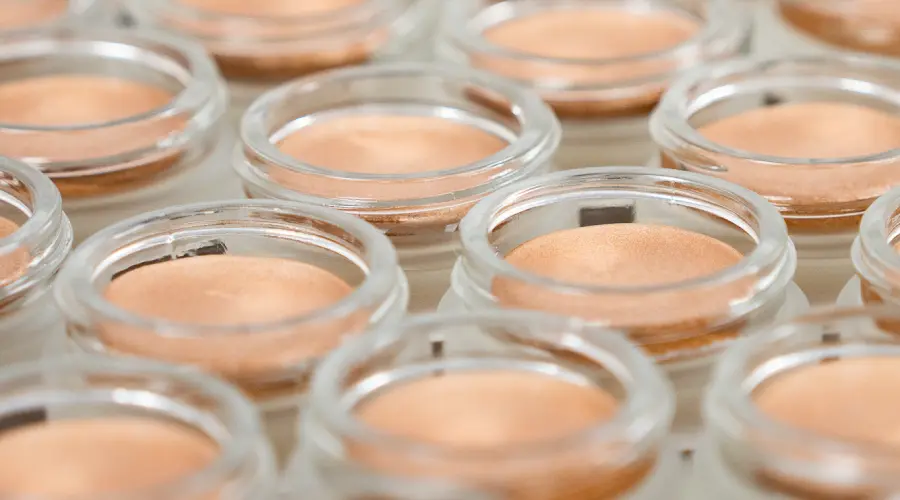
Bouncy Gel Textures Continue Expanding Across Beauty Categories
Bouncy gel textures have expanded beyond cleansers into multiple beauty categories, offering lightweight hydration, sensory appeal, and opportunities for product differentiation. These jelly-inspired formulations align with consumer demand for comfortable, non-heavy textures while creating visually distinctive product experiences.
Texture Trends Beauty Brands Should Watch in 2026
| Texture Format | Consumer Appeal | Common Applications |
|---|---|---|
| Bouncy Gels | Lightweight hydration and skin comfort | Cleansers, body care, SPF |
| Milky Toners & Serum-Lotions | Fast absorption and layering compatibility | Toners, treatments, moisturizers |
| Water Creams | Weightless hydration | Daily moisturizers, barrier care |
| Cushiony Creams | Premium sensory experience | Moisturizers, masks |
| Transforming Textures | Interactive application and differentiation | Gel-to-water, cream-to-serum, balm-to-milk |
What Bouncy Gel Formulations Require at Commercial Scale
Bouncy gels continue attracting attention because they combine lightweight hydration with strong visual appeal. This is particularly relevant as health and beauty products accounted for 79.3% of TikTok Shop sales in the United States, highlighting the importance of textures that perform well in social commerce environments.
While the format appears simple, developing bouncy gel textures at a commercial scale requires careful formulation design to ensure consistency, stability, and long-term performance.
Key formulation considerations include:
- Maintaining consistent viscosity and texture across production batches
- Ensuring compatibility between active ingredients and gel systems
- Preserving product stability throughout shelf life
- Optimizing preservation systems and product integrity
- Assessing packaging compatibility and manufacturing scalability
Common skincare applications include:
- Body gels and lightweight body moisturizers
- Lip masks, balms, and glosses
- After-sun treatments
- Lightweight SPF formulations
These applications allow brands to extend texture innovation into adjacent categories while leveraging consumer familiarity with hydration-focused, comfort-driven skincare experiences.
Milky and Essence-Inspired Textures Support Lightweight Hydration Trends
Milky toners, serum-lotions, and other essence-inspired formulations continue gaining traction as consumers seek products that deliver hydration, barrier support, and multifunctional benefits without the heaviness of traditional cream-based formulas.
Several factors are driving growth, including:
- Lightweight hydration without a greasy feel
- Barrier-supportive positioning that aligns with preventative skincare trends
- Multifunctional benefits that simplify routines
- Comfortable wearability with an elegant sensory experience
- Layering compatibility under makeup and SPF
These formats also align with broader trends centered on skin longevity, healthy aging, and streamlined skincare routines.
Why Brands Are Investing in Milk Textures
Many hydration-focused texture trends first gain traction in Asia-Pacific markets before expanding globally. With Asia Pacific accounting for 40.2% of global skincare revenue in 2025, the region remains an important source of skincare innovation and an early indicator of future consumer demand.
For beauty brands, monitoring these trends can help:
- Identify emerging opportunities earlier
- Anticipate future demand in Western markets
- Stay ahead of evolving consumer preferences
The commercial opportunity is significant. Face creams and moisturizers account for 41.9% of global skincare revenue, creating strong demand for lightweight, hydration-focused formats that enhance both usability and product experience.
Key formulation considerations include:
- Emulsion stability and texture consistency
- Active ingredient compatibility
- Preservation system performance
- Long-term stability and shelf-life requirements
- Delivery of treatment-focused ingredients
Common skincare applications include:
- Milky toners
- Lightweight moisturizers
- Barrier-support products
- Treatment-focused skincare
- Hybrid skincare formulations
As hydration becomes a baseline consumer expectation, milk textures provide brands with a versatile platform for differentiation through texture, functionality, and sensory appeal.
Water Creams Are Becoming a Core Hydration Platform
Water creams have become one of the most popular hydration formats in modern skincare. Their lightweight, fast-absorbing texture appeals to consumers who want effective moisture without the heaviness of traditional creams.
Why water creams continue gaining traction::
- Lightweight, refreshing texture
- Fast absorption
- Comfortable all-day wear
- Easy layering with other skincare products
- Suitable for multiple skin types and routines
For beauty brands, water creams offer a versatile platform that can support hydration, barrier care, brightening, and healthy-aging positioning across both prestige and mass-market categories.
Key formulation considerations include:
- Maintaining a lightweight, fast-absorbing feel
- Ensuring compatibility with active ingredients
- Delivering consistent hydration performance
- Preserving texture and stability throughout shelf life
- Supporting scalability and manufacturing consistency
These considerations become increasingly important when incorporating ingredients such as hyaluronic acid, peptides, vitamin C derivatives, and ceramides.
Common skincare applications include:
- Daily facial moisturizers
- Barrier-support products
- Brightening treatments
- Healthy-aging formulations
- Gel-cream hybrids
Their versatility and compatibility with layering make water creams well-suited for year-round use and multifunctional skincare routines.
Cushiony Creams Are Creating Premium Skincare Experiences
Cushiony creams are gaining popularity for combining comfort, hydration, and a premium sensory experience. Their soft, plush feel helps products stand out in crowded skincare categories while supporting positioning around skin comfort and elevated product performance.
Brands are investing in cushiony cream textures because of their:
- Soft, plush, and bouncy application
- Premium sensory experience
- Stronger product differentiation
- Stronger product differentiationEnhanced perceived value
- Greater engagement in social commerce and digital channels
As texture becomes a more significant factor in purchasing decisions, cushiony creams offer a practical way to elevate both the product experience and brand perception.
Formulating Cloud Textures for Performance and Consistency
The same characteristics that make cloud-inspired textures appealing can also create formulation challenges. Aerated emulsions are often more sensitive to:
- Temperature fluctuations
- Transportation conditions
- Long-term stability concerns
- Texture consistency during scale-up
- Shelf-life performance
Successful commercialization requires balancing sensory innovation with manufacturing scalability and product stability.
Common skincare applications include:
- Daily moisturizers
- Hydrating creams
- Sleeping masks
- Barrier-support creams
- Healthy-aging treatments
- Gel-cream hybrids
- Lightweight body creams
Their airy, weightless feel makes them particularly well-suited for products focused on hydration, comfort, and premium skincare experiences.
Hybrid Texture Formats Are Expanding Innovation Opportunities
Hybrid textures combine multiple benefits, delivery systems, or sensory experiences within a single formulation. As consumers increasingly seek multifunctional products that simplify routines, formats such as serum-gels, gel-creams, and transforming textures are becoming important areas of innovation.
Serum-Gel Formats Continue Expanding
Serum-gel formulations combine treatment-focused positioning with hydration benefits, making them one of the most commercially accessible pathways into hybrid texture innovation.
The market opportunity is significant. The global facial serum market is projected to grow from approximately $6.3 billion in 2025 to $11.3 billion by 2035, reflecting continued demand for targeted, performance-driven skincare products.
Why serum-gels are gaining traction:
- Combine treatment benefits with lightweight hydration
- Support multifunctional skincare routines
- Deliver an approachable sensory experience
- Create opportunities for product differentiation
- Align with demand for performance-driven formulations
Formulation and Commercial Applications
Successful hybrid textures combine desirable sensory attributes, such as the freshness of a gel and the nourishment of a cream, while maintaining stability, efficacy, and scalability.
Key formulation considerations include:
- Achieving the desired texture and skin feel
- Ensuring ingredient compatibility
- Maintaining long-term product stability
- Delivering consistent performance and user experience
- Supporting commercial-scale manufacturing
Common skincare applications include:
- Gel-cream moisturizers
- Hydrating serums
- Barrier-support products
- Healthy-aging treatments
- Overnight masks
- Multifunctional daily skincare products
Transforming textures such as gel-to-water, cream-to-serum, and balm-to-milk formats are also gaining traction because they combine strong sensory appeal with opportunities for product differentiation.
How Beauty Brands Should Prioritize Texture Innovation in 2026
Not all texture trends offer the same commercial value. Water creams, gel-creams, milky toners, and cushiony creams stand out because they align with demand for lightweight hydration, layering compatibility, skin comfort, and multifunctional skincare.
Transformation textures, such as gel-to-water, cream-to-serum, and balm-to-milk formats, also offer strong opportunities. Their visual and sensory appeal can help brands communicate innovation, strengthen product storytelling, and perform well in social commerce.
For future launches, brands should evaluate texture alongside:
- Ingredient strategy
- Category growth potential
- Manufacturing feasibility
- Consumer demand
- Brand positioning
At Bayport Laboratories, we help brands assess texture opportunities from both a market and formulation perspective to support successful commercialization and long-term growth
Frequently Asked Questions
Brands should evaluate consumer demand, social engagement, retail performance, ingredient compatibility, and manufacturing feasibility before investing in development. The strongest opportunities are supported by multiple market signals, not just viral popularity.
Water creams, gel-creams, milky toners, and cushiony creams show strong commercial potential due to growing demand for lightweight hydration, comfort, layering compatibility, and multifunctional skincare.
Sustained retail growth, increasing search interest, adoption across product categories, and ongoing consumer engagement are often stronger indicators than short-term viral success.
Key considerations include stability, ingredient compatibility, manufacturing scalability, packaging compatibility, and shelf-life performance. Transformation textures may require additional formulation expertise to maintain consistency.
Social commerce helps brands identify emerging trends through real-time consumer engagement and product discovery. Textures that visibly demonstrate performance or transformation often attract the most attention.
Texture should be evaluated alongside ingredients, consumer demand, category growth, and manufacturing feasibility. It has become an important tool for product differentiation and premium positioning.
Turn Emerging Texture Trends Into Market-Ready Products With Bayport Laboratories
Successful texture innovation requires more than identifying trends—it requires turning those trends into stable formulations and commercially viable products.
At Bayport Laboratories, we help beauty brands evaluate emerging texture trends, including jelly textures, water creams, milky toners, cushiony creams, and transformation textures. By combining market insights with formulation expertise, we help brands assess commercial potential, formulation feasibility, and product development opportunities with confidence.
Contact Bayport Laboratories to discuss your next skincare innovation project.
References
Capital One Shopping. (2025). TikTok shopping statistics (2025): Revenue, growth & trends.
https://capitaloneshopping.com/research/tiktok-shopping-statistics/Future Market Insights. (2025). Facial serum market: Global industry analysis 2015–2024 and opportunity assessment 2025–2035.
https://www.futuremarketinsights.com/reports/facial-serum-marketGrand View Research. (2025). Skin care products market size, share & trends analysis report, 2026–2033.
https://www.grandviewresearch.com/industry-analysis/skin-care-products-market