
How Retail Beauty Trends Are Reshaping Product Development
Retail beauty trends are influencing how beauty brands prioritize product development, allocate resources, and plan future launches. As consumer preferences continue evolving, manufacturers are being challenged to deliver products that balance efficacy, convenience, transparency, and long-term relevance.
At Bayport Laboratories, we are seeing growing demand for formulations that combine proven performance, multifunctionality, and ingredient transparency. We show you how these expectations are increasingly shaping how cosmetic products are developed across skincare, makeup, hair care, and personal care categories.
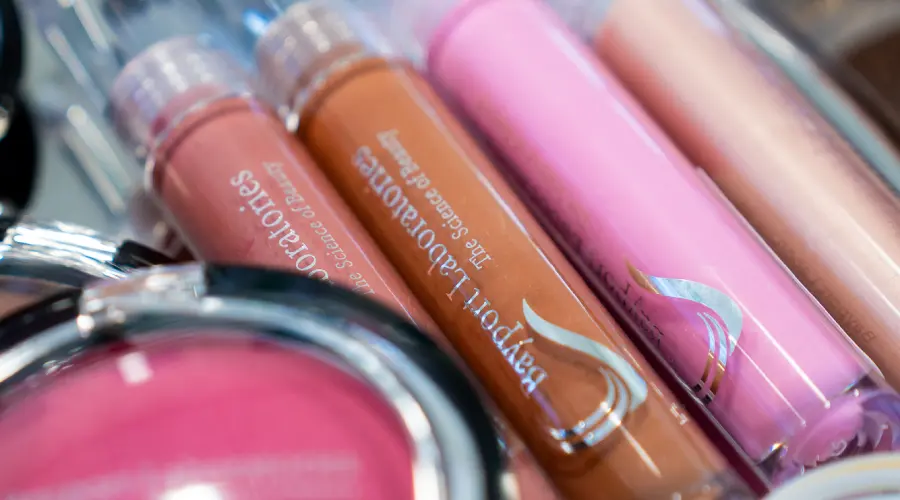
Performance Is Becoming More Important Than Marketing Claims
Consumers are becoming more selective about the beauty products they purchase. Rather than relying solely on marketing messages, many now evaluate products based on efficacy, ingredient quality, safety, and measurable results.
Growth is being driven in part by rising demand for:
- Barrier repair products
- Active-led routines
- Clinically backed formulations
- Long-term skin health solutions
As consumers become more ingredient-aware, performance is becoming a key factor influencing purchasing decisions.
Consumers Expect Proven Efficacy
Shoppers increasingly seek products that deliver visible results while supporting long-term skin health. Many consumers now look for:
- Clinically supported claims
- Dermatologist-tested formulations
- Visible performance benefits
- Safety and ingredient transparency
- Long-term product value
For beauty brands, proven efficacy is becoming an important differentiator in crowded retail categories.
Skincare Ingredients Are Going Into Cosmetic Makeup
Consumers increasingly expect beauty products to deliver more than basic cosmetic benefits. As a result, active ingredients traditionally associated with skincare are expanding into makeup, body care, hair care, and hybrid products.
Frequently requested ingredients include:
- Ceramides
- Peptides
- Hydrating actives
- Barrier-support ingredients
- Antioxidant technologies
This trend reflects growing demand for products that combine cosmetic performance with skincare benefits.
Why Clinical Validation Matters
As consumers become more ingredient-aware, brands face greater pressure to support product claims with credible evidence.
Common forms of validation include:
- Clinical testing
- Consumer studies
- Efficacy data
- Third-party verification
For manufacturers, clinical validation can strengthen consumer trust, support premium positioning, and help justify higher price points. As competition intensifies, proof of performance is becoming just as important as product innovation.
Multifunctionality Is Becoming a Category Requirement
Consumers increasingly prefer streamlined beauty routines that save time without sacrificing results. As a result, multifunctional products are becoming a core area of focus across the cosmetics industry.
Growth is being driven by demand for products that combine multiple benefits within a single formula.
Consumers are increasingly seeking products that deliver:
- Makeup and skincare benefits
- Hydration and protection
- Treatment and cosmetic performance
- Convenience and efficacy
For manufacturers, multifunctionality is creating opportunities to simplify routines while delivering measurable results.
The Growth of Makeup-Skincare Hybrids
The lines between skincare and makeup continue to blur as consumers increasingly expect color cosmetics to support skin health.
Key signals:
- The global hybrid makeup market is projected to grow from $7.45 billion in 2026 to $14.23 billion by 2034
- More than 65% of beauty consumers prioritize skin health alongside appearance
Popular hybrid formats include:
- Serum-infused makeup
- Treatment foundations
- Tinted moisturizers
- Skincare-enhanced complexion products
For beauty brands, hybrid products create opportunities to address multiple consumer needs while supporting premium positioning.
How Multifunctionality Influences Formulation
Developing multifunctional products requires balancing multiple priorities within a single formulation.
Key formulation considerations include:
- Performance
- Stability
- Ingredient compatibility
- Texture and sensory experience
- Long-term product efficacy
Successful multifunctional products combine convenience with strong formulation fundamentals without compromising performance.
Ingredient Transparency and Sustainability Continue Evolving
Ingredient transparency and sustainability remain important considerations for today's consumers, but expectations are becoming more sophisticated. Rather than relying on broad marketing claims, shoppers increasingly want clear information about ingredient safety, sourcing practices, and product performance.
As consumer scrutiny increases, transparency and responsible sourcing are becoming important tools for building trust and differentiation.
Clean Beauty Is Becoming More Sophisticated
The clean beauty movement continues to evolve beyond simple "free-from" claims. Consumers increasingly expect products that combine safety, efficacy, and scientific credibility.
Consumer priorities include:
- Non-toxic ingredients
- Dermatologist-tested formulations
- Transparent ingredient lists
- Proven product performance
- Responsible manufacturing practices
For beauty brands, clean beauty is increasingly about balancing safety, efficacy, and consumer trust.
Sustainable Sourcing Is Influencing Product Development
Consumers are paying closer attention to how products are made and where ingredients originate.
Areas receiving greater scrutiny include:
- Sustainable sourcing
- Ethical ingredient procurement
- Supply chain transparency
- Environmental responsibility
As a result, brands are evaluating raw materials, supplier relationships, and manufacturing practices more closely to support both sustainability goals and brand credibility.
Packaging and Environmental Responsibility Matter More
Eco-friendly packaging has evolved from a niche consideration into an industry expectation.
Key signal:
- 54% of consumers actively seek skincare products labeled as sustainable or environmentally friendly
Manufacturers are increasingly exploring:
- Eco-friendly packaging
- Recyclable materials
- Reduced packaging waste
- Sustainable product formats
- Environmentally responsible production practices
As sustainability expectations continue to evolve, packaging decisions are becoming more closely aligned with overall product strategy.
Inclusivity and Personalization Are Shaping Future Demand
Consumer expectations around inclusivity and personalization continue to reshape the beauty industry. Products designed for a broader range of skin tones, skin types, and individual needs are increasingly viewed as standard rather than optional. At the same time, advances in technology are creating new opportunities for more personalized beauty experiences.
Inclusivity Is Now a Baseline Expectation
Modern beauty shoppers expect products to serve diverse needs across:
- Skin tones
- Skin types
- Beauty concerns
- Product preferences
For beauty brands, inclusivity now influences product development from the earliest stages. Products designed for broader consumer groups are often better positioned to meet modern retail expectations and maintain long-term market relevance.
AI Is Supporting Personalized Beauty
Artificial intelligence and machine learning are becoming increasingly important tools across the beauty industry, helping brands deliver more personalized experiences and product recommendations.
Growing areas of adoption include:
- Personalized skincare recommendations
- Virtual consultations
- AR try-on technologies
- Consumer diagnostics
- Customized product experiences
As demand for personalization grows, technology is becoming an increasingly important source of beauty innovation.
What This Means for Cosmetic Formulations
Creating inclusive and personalized beauty products requires formulations that perform consistently across a wide range of skin types, tones, hair textures, and consumer needs.
Key formulation considerations include:
- Broad ingredient compatibility
- Performance across diverse users
- Flexible formulation platforms
- Product stability and consistency
- Scalable manufacturing
As demand for personalization and inclusivity continues to grow, brands that develop adaptable, high-performing formulations will be better positioned to meet evolving consumer expectations.
What These Retail Trends Mean for Beauty Brands
Retail beauty trends are creating new opportunities for brands that can align product development with evolving consumer expectations.
Retail Beauty Trends at a Glance
Several retail trends continue influencing how beauty brands approach product development, formulation strategy, and commercialization planning.
| Trend | What It Means for Manufacturers |
|---|---|
| Performance | Greater demand for clinically supported products |
| Multifunctionality | More hybrid and multi-benefit formulations |
| Sustainability | Increased focus on sourcing and packaging |
| Personalization | More tailored products and consumer experiences |
| Inclusivity | Products designed for broader consumer needs |
For beauty brands, the strongest opportunities often emerge when formulation decisions align with long-term consumer priorities rather than short-term trends. As retail demand continues evolving, successful innovation will depend on balancing performance, manufacturability, and market relevance.
Frequently Asked Questions
Brands can evaluate long-term trends by combining consumer research, retail sales data, social listening, and market intelligence. Trends supported by sustained consumer demand and measurable market growth are generally more reliable than short-lived viral trends.
Retail buyers often look for products with clear consumer demand, differentiated positioning, proven performance, attractive packaging, and the ability to meet retailer quality and compliance requirements.
Retail trends help brands prioritize product categories, ingredients, packaging formats, and positioning strategies that align with evolving consumer preferences, reducing the risk of launching products with limited market appeal.
Market intelligence helps brands identify emerging opportunities, understand consumer expectations, evaluate competitors, and make more informed formulation and commercialization decisions before investing in product development.
Experienced cosmetic manufacturers can support trend evaluation, formulation development, ingredient selection, manufacturing scalability, and commercialization planning to help brands bring retail-ready products to market more efficiently.
Develop Retail-Ready Beauty Products With Bayport Laboratories
Understanding retail beauty trends is only part of the product development process. Beauty brands must also determine which trends align with long-term consumer demand and how to translate those opportunities into stable, scalable, and commercially viable formulations.
At Bayport Laboratories, we help beauty brands develop retail-ready products by combining market intelligence, formulation expertise, and commercialization planning. Whether you're exploring multifunctional products, sustainability initiatives, personalization opportunities, or next-generation skincare concepts, our team can help bring your vision to market.
Ready to develop products that meet evolving retailer and consumer demands? Contact Bayport Laboratories to discuss your next skincare innovation project.
References
Future Market Insights. (2026). Nourishing hair and skin care market: Global industry analysis and opportunity assessment, 2036.
https://www.futuremarketinsights.com/reports/nourishing-hair-and-skin-care-marketFuture Market Insights. (2026). Skincare market: Global industry analysis and opportunity assessment, 2036.
https://www.futuremarketinsights.com/reports/skincare-marketIntel Market Research. (2026). Hybrid makeup market insights.
https://www.intelmarketresearch.com/hybrid-makeup-market-43820Market.us Media. (2026, January 30). Skincare statistics by gender, concerns, conditions (2026).
https://media.market.us/skincare-statistics/